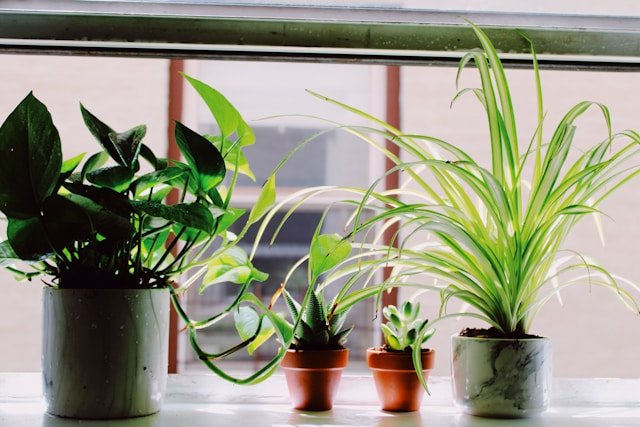
Indoor air pollution is a growing concern in today’s urban world. From everyday cleaning products to synthetic furnishings, pollutants can easily accumulate inside our homes and workspaces. Fortunately, air purifier plants offer a natural and effective way to enhance the air we breathe.
These plants not only beautify your space but also act as living air filters — absorbing toxins, increasing oxygen, and promoting better overall health. Let’s explore how air purifier plants improve indoor air quality and why they are a must-have in modern homes.
What Are Air Purifier Plants?
Air purifier plants are specific indoor plants known for their ability to clean the air by filtering out harmful toxins and chemicals. Unlike artificial air purifiers, these green allies work silently through natural processes like photosynthesis and transpiration.
Some of the common pollutants found indoors include:
- Benzene (from paints, detergents)
- Formaldehyde (from carpets, furniture)
- Carbon monoxide (from cooking)
- Toluene and xylene (from adhesives and glues)
Air-purifying plants absorb these toxins through their leaves and roots, converting them into harmless byproducts.
How Do Air Purifier Plants Clean the Air?
These plants follow a simple yet powerful method to purify indoor air:
- Toxin Absorption: The leaves absorb airborne chemicals, pulling them into the plant system.
- Oxygen Release: During photosynthesis, these plants take in carbon dioxide and release fresh oxygen.
- Humidity Control: Through transpiration, they add moisture to the air, which can reduce respiratory problems.
- Soil Filtration: Microorganisms present in the plant’s soil also help neutralize toxins.
By constantly cycling air through these natural processes, air purifier plants act as 24/7 detox agents.
Best Air Purifier Plants for Your Home
Here are some top-rated air-purifying plants that can enhance your indoor environment:
- Spider Plant: Great at eliminating carbon monoxide and formaldehyde.
- Peace Lily: Known for removing benzene, ammonia, and mold spores.
- Snake Plant (Sansevieria): Excellent for bedrooms due to its ability to release oxygen at night.
- Areca Palm: Natural humidifier and air toxin remover.
- Rubber Plant: Effective in absorbing airborne chemicals.
These plants require minimal maintenance and can thrive in a variety of indoor conditions
Health Benefits of Air Purifier Plants
The presence of air purifier plants can offer numerous health advantages beyond just cleaner air:
- Improved Breathing: Fewer toxins and more oxygen mean better lung function.
- Stress Relief: Greenery helps reduce anxiety and boost mood.
- Better Sleep: Cleaner air and balanced humidity promote restful sleep.
- Increased Focus: Studies show plants enhance concentration and productivity.
- Natural Allergy Relief: Some plants reduce airborne dust and allergens.
Whether at home or at work, the benefits of air-purifying plants are both physical and mental.
Tips to Take Care of Air Purifier Plants
To ensure these plants thrive and continue purifying your air:
- Place them where they can get indirect light
- Water them according to their specific needs — avoid overwatering.
- Keep leaves dust-free for better toxin absorption.
- Repot when roots outgrow the container.
- Avoid placing them near heaters or air conditioners.
Healthy plants are more efficient in cleaning the air, so regular care is essential.
Conclusion
Adding air purifier plants to your indoor spaces is one of the easiest and most sustainable ways to improve air quality. They are beautiful, affordable, and offer long-term health benefits. As concerns over indoor pollution continue to rise, these plants provide a simple, natural solution.
From boosting oxygen to reducing harmful toxins, air-purifying plants are a smart choice for anyone looking to create a healthier living or working environment. Start with a few beginner-friendly varieties and experience the difference they can make in your life.
Leave a Reply