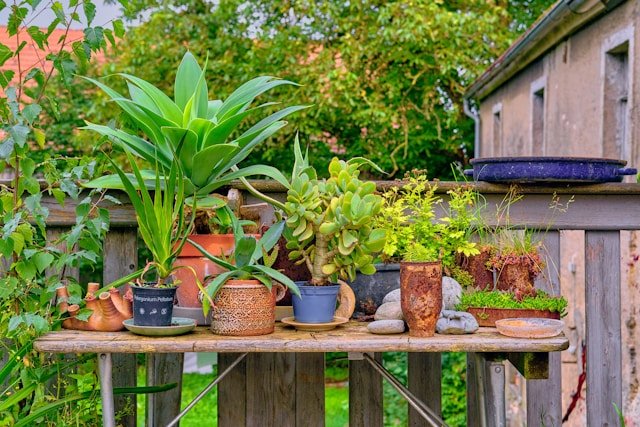
Outdoor plants add life, color, and freshness to any garden or landscape. However, extreme weather conditions such as scorching heat, heavy rains, frost, or strong winds can put these plants at risk. Whether you’re a seasoned gardener or a beginner, knowing how to protect outdoor plants during harsh weather is essential to ensure their health and longevity.
In this blog, we’ll explore practical and effective ways to safeguard your outdoor plants from the unpredictable forces of nature.
1. Understand the Weather Patterns
Before implementing any protection strategies, it’s important to be aware of the local weather conditions. Monitoring daily forecasts can help you prepare in advance. Outdoor plants are sensitive to sudden changes, especially in temperature and moisture levels. Whether it’s a heatwave or unexpected frost, staying informed gives you the upper hand in keeping your plants safe.
2. Provide Proper Mulching
Mulching is one of the simplest and most effective ways to protect outdoor plants. A thick layer of mulch helps in:
- Regulating soil temperature
- Retaining moisture during hot weather
- Preventing the soil from freezing during cold conditions
Organic mulches like wood chips, straw, or dried leaves act as natural insulators and shield the roots of your plants.
3. Use Shade Covers and Plant Tents
During extreme heat or heavy rain, temporary covers can protect your outdoor plants from direct exposure. Shade cloths are ideal during summers as they reduce the amount of sunlight while still allowing air circulation. On the other hand, plastic plant tents or garden fabrics work well during colder months to trap heat and block cold winds.
Make sure these covers are breathable and do not trap excessive moisture, which may lead to fungal infections.
4. Watering Wisely
Watering outdoor plants correctly during extreme weather is crucial. During hot and dry spells, water early in the morning or late evening to prevent evaporation. Deep watering encourages strong root growth, which helps plants withstand stress.
In contrast, during heavy rainfall or storms, avoid overwatering. Ensure that your garden has good drainage to prevent root rot and fungal diseases.
5. Relocate Potted Outdoor Plants
If you have outdoor plants in containers, moving them is the easiest way to protect them. During strong winds, heavy rain, or frost, relocate your potted plants to a sheltered area like a porch, patio, or indoor space near sunlight.
This simple action can prevent severe damage and even plant loss during extreme conditions.
6. Prune Damaged or Weak Branches
Before any storm or snow hits, it’s good practice to prune your outdoor plants. Remove dead, weak, or overcrowded branches to minimize the risk of breakage during high winds or under snow weight.
Proper pruning also encourages healthier growth and better air circulation, reducing the chance of disease.
7. Grouping Plants Together
Clustering your outdoor plants closely can create a microclimate that shields them from extreme cold or wind. This technique helps in maintaining humidity and warmth, especially for delicate species.
In addition, placing larger, sturdier plants around smaller ones can act as a windbreak or sun shield, offering natural protection.
8. Use Windbreaks for Open Gardens
If your garden is in an open or windy area, consider installing windbreaks. Fencing, hedges, or even temporary barriers made from bamboo or plastic sheets can protect outdoor plants from being damaged or uprooted by strong winds.
This is particularly useful for taller plants, flowering bushes, and young saplings.
9. Monitor for Pests and Diseases
Extreme weather can stress plants, making them more vulnerable to pests and diseases. Regularly inspect your outdoor plants for signs of infestation, such as yellowing leaves, holes, or mold. Using organic pesticides or neem oil sprays can keep common garden pests at bay.
Healthy plants are naturally more resilient to weather shocks, so preventive care is key.
10. Feed Your Plants Well
Proper nutrition boosts a plant’s natural defense mechanisms. Use organic compost or slow-release fertilizers to keep your outdoor plants nourished throughout the year. A well-fed plant is better equipped to handle stress from weather changes.
However, avoid fertilizing right before a cold spell, as this can lead to new growth that is more vulnerable to frost damage.
Conclusion
Protecting outdoor plants during extreme weather conditions doesn’t have to be complicated. With the right approach—timely mulching, wise watering, providing shelter, and regular maintenance—your plants can survive and thrive, no matter the weather. By staying attentive and proactive, gardeners can ensure that their outdoor plants continue to flourish beautifully throughout the seasons.
Remember, your outdoor plants depend on you, especially when the environment becomes harsh. With these protective measures, you’re not just preserving greenery—you’re building a resilient and thriving garden
Leave a Reply